
Choosing F&B Packaging: PP vs PET vs OPS vs Biodegradable
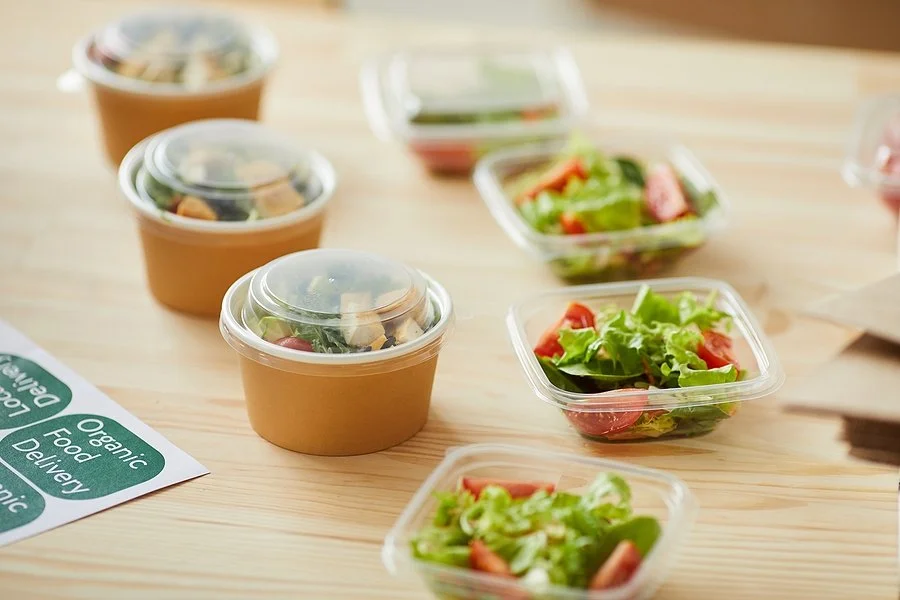
Walk into any F&B supplier in Singapore and you'll be met with a wall of packaging options, each promising to be the best fit for your food. Clear plastic tubs, sturdy takeaway boxes, disposable trays in every shape imaginable. For a hawker stall owner, cafe operator or catering business, this can feel like an unnecessary headache when there's already a menu to perfect and customers to serve.
The truth is that packaging material affects far more than just how a dish looks on delivery apps. It influences how well your food holds up during transport, how customers perceive your brand, and increasingly, how your business is viewed on sustainability. Choosing the right food containers doesn't need to be complicated once you understand what each material actually does.
This guide breaks down the four most common options in Singapore's F&B scene, PP, PET, OPS, and biodegradable food containers, so you can make a decision based on what your food actually needs.
PP (Polypropylene): the everyday workhorse
Polypropylene is probably the material you already use without thinking about it. It's the semi-translucent plastic behind most takeaway containers, from nasi lemak boxes to soup containers with clip-on lids.
PP earns its popularity because it handles heat well. Unlike some plastics that warp or leach odd smells when filled with hot curry or soup, PP containers can typically go into the microwave for reheating, which customers appreciate for leftovers. It's also fairly resistant to oil and grease, which counts for a lot given Singapore's oil-heavy local cuisine. It's also more flexible than rigid, so it holds its shape less firmly than harder plastics—though that same flexibility makes it less prone to cracking or shattering than a rigid container would be. PP is also resin code #5, generally considered one of the more recyclable food-grade plastics.
Where PP falls short is clarity. It has a slightly cloudy, waxy look rather than true transparency, so it's not the best choice if you want customers to see a beautifully plated dish through the lid.
PET (Polyethylene Terephthalate): clarity and shelf appeal
PET is the material to reach for when presentation is the priority. Think of the crystal-clear cups used for bubble tea, fruit cups and desserts, or the clamshell boxes showing off a colourful salad. PET containers are genuinely transparent, giving food that fresh, appetising look that photographs well for social media, something plenty of F&B brands in Singapore now factor into packaging decisions.
Beyond looks, PET is strong and puncture-resistant for its thinness, and it's recyclable in most municipal systems here, which appeals to environmentally conscious customers even if it isn't biodegradable itself.
The catch is heat tolerance. PET isn't designed for hot food or microwave use, so it's better suited to cold and room-temperature items like desserts, salads and cold drinks. Use it for hot soup and you risk the container softening or deforming.
OPS (Oriented Polystyrene): budget-friendly and crisp
OPS is less talked about than PP or PET but shows up constantly in bakeries and dessert shops. It's the crisp, glossy clear plastic often used for cake slices, pastries, sandwiches and cold cuts.
OPS shares some of PET's transparency advantages at a lower cost, which makes it attractive for high-volume, low-margin items like individually packed cakes or sandwiches sold at cafes and convenience outlets. It also snaps cleanly, giving containers a neat, tamper-evident seal that reassures customers the product hasn't been touched.
The trade-off is brittleness. OPS can crack under pressure or in cold storage, and like PET, it isn't built for hot food. For bakery items and chilled desserts though, it does the job reliably without adding much to your packaging costs.
Biodegradable and compostable alternatives
For F&B businesses looking to reduce their environmental footprint, eco-friendly packaging has become a serious contender rather than a niche add-on. These are typically made from materials like sugarcane bagasse, cornstarch-based PLA, kraft paper or bamboo fibre, and they break down far more readily than conventional plastics once disposed of correctly.
The appeal isn't purely about sustainability credentials either. Bagasse containers, for example, handle heat well and work nicely for hot local dishes, hawker fare and catering trays. Kraft-based boxes bring a natural, rustic aesthetic that suits bakeries and casual dining brands wanting a more artisanal feel. With more Singapore consumers actively looking out for eco-conscious packaging, offering biodegradable options can genuinely influence purchase decisions, particularly among younger diners.
There are a few things to keep in mind before switching over entirely. Biodegradable materials can cost more per unit than standard plastics, and not every option performs identically. Some compostable containers need specific industrial composting facilities to break down properly and won't simply decompose in a regular bin, so it helps to check the sourcing and disposal guidance for whichever range you choose. Suppliers like SKP offer a dedicated biodegradable products line that makes it easier to find options suited to different cuisines and price points, without the guesswork.
Bringing it all together
There isn't a single perfect packaging material for every F&B business. A soup stall and a bubble tea kiosk have entirely different needs, and the right choice usually comes down to what you're serving, how it travels, and how you want customers to feel when they open the box.
As a quick reference, here's when each material tends to work best:
PP: hot mains, soups and dishes customers will reheat as leftovers
PET: cold desserts, drinks and salads where visual appeal counts
OPS: bakery items, sandwiches and chilled grab-and-go food
Biodegradable: hot or cold dishes for brands leaning into eco-conscious positioning
Start by thinking through your menu item by item. Hot dishes generally call for PP or a heat-resistant eco-friendly option, cold and visually appealing items suit PET or OPS, and if sustainability is part of your brand story, exploring compostable ranges for at least part of your packaging lineup can pay off.
It also helps to think beyond a single material for the whole menu. Plenty of F&B businesses in Singapore now mix and match instead of committing to just one option. Hot mains might go in PP, cold drinks and desserts in PET, and a biodegradable range can be kept for the signature dishes a brand wants to promote as eco-friendly. This lets you manage costs sensibly while still giving customers the option to pick greener packaging where it counts most.
If you're weighing up these options for your own business, SKP stocks a wide range of food packaging across all these materials, including a dedicated eco-friendly range for F&B businesses looking to make the switch.